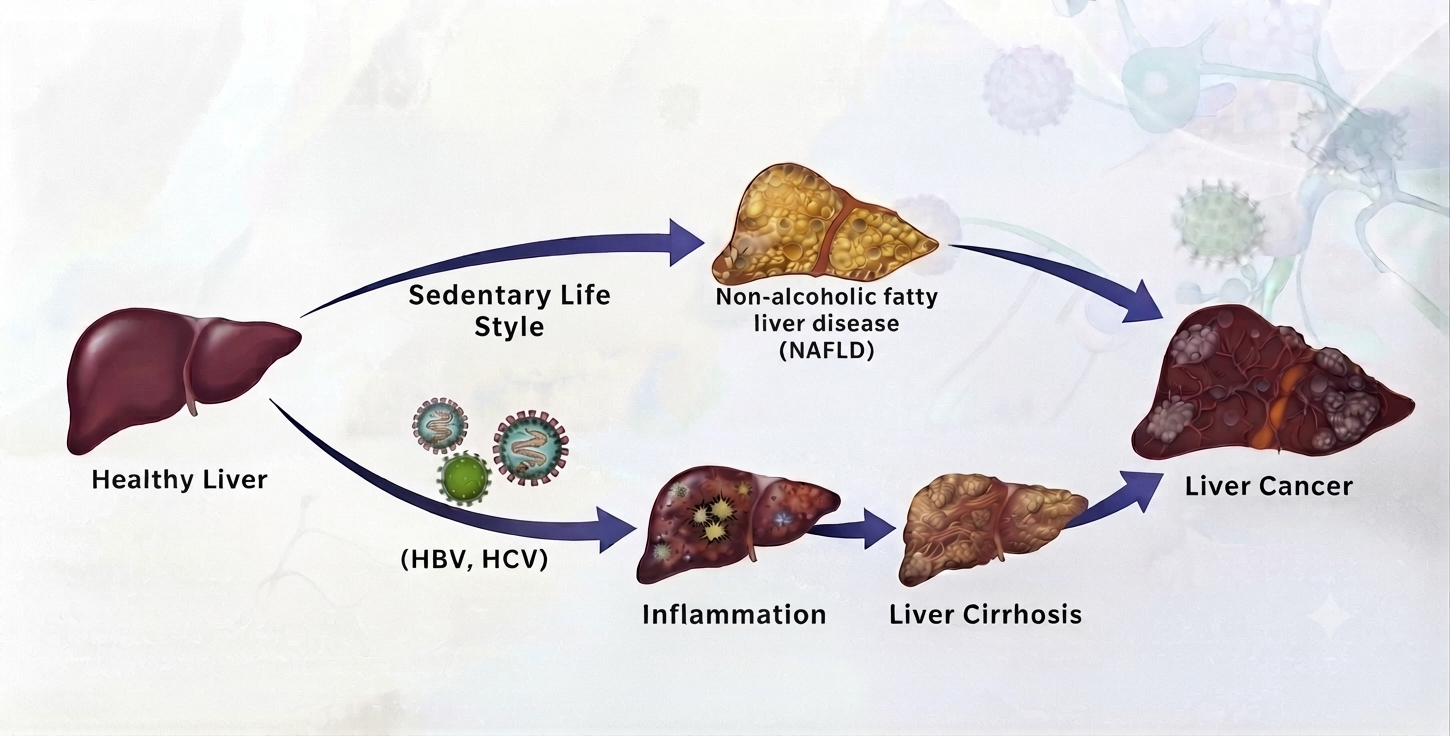
Liver is the main metabolic hub orchestring multitudes of function such as detoxification, synthetic , secretory, vascular, immunological and excretory functions. Despite the immense regenerative ability of liver it is vulnerable to various diseases triggered by external factors such as viral infections, an unhealthy diet, and lifestyle choices such as alcohol abuse. Viruses like hepatitis B and C can cause chronic inflammation and lead to severe conditions like cirrhosis or liver cancer. Additionally, diets high in fats and sugars, along with sedentary habits, can contribute to non-alcoholic fatty liver disease (NAFLD), a growing global health concern. These challenges underscore the importance of protecting this vital organ through balanced nutrition, regular exercise, and preventive healthcare.

Liver disease is a significant public health challenge in both France and India, but its burden varies due to distinct risk factors. In India, liver disease is mostly attributed to viral hepatitis (particularly hepatitis B and C) and recently there is an alarming increase in number of Non-alcoholic fatty liver disease (NAFLD) due to lifestyle changes and increasing obesity rates. India is the first country in world to formally integrate non-alcoholic fatty liver disease (NAFLD) into its national program for the prevention and control of non-communicable diseases (NCDs). In France, the major liver disease burden is closely tied to alcohol consumption, of alcohol-related liver and the growing prevalence of metabolic liver diseases, such as non-alcoholic fatty liver disease (NAFLD), exacerbates the overall strain on healthcare systems.
Both France and India face a significant burden of liver diseases, driven by different factors such as alcohol consumption, viral hepatitis, and metabolic disorders like non-alcoholic fatty liver disease (NAFLD). This shared public health challenge has spurred focused research interests in critical areas, including the study of liver inflammation and devlopment of drugs and vaccine to prevet liver disease.
This landmark initiative reflects the growing recognition of NAFLD as a significant public health issue, closely linked to metabolic disorders such as obesity, diabetes, and cardiovascular disease. With the increasing prevalence of sedentary lifestyles and unhealthy diets, NAFLD has emerged as a silent epidemic, affecting nearly 25-30% of the population in urban areas. By including NAFLD in its NCD program, India aims to promote early diagnosis, raise public awareness, and implement preventive measures through lifestyle modifications, thereby reducing the long-term burden of liver-related complications and associated chronic diseases. being a leading cause of chronic liver disease, cirrhosis, and liver cancer. Additionally, the prevalence of NAFLD is growing rapidly, driven by urbanization, dietary shifts, and sedentary lifestyles.
Both countries face the challenge of raising awareness, improving early detection, and enhancing access to treatment for liver diseases.
India: NAFLD affects 14.6–42% of the population.
France: NAFLD is expected to be prevalent in 23.6% of the population by 2030.
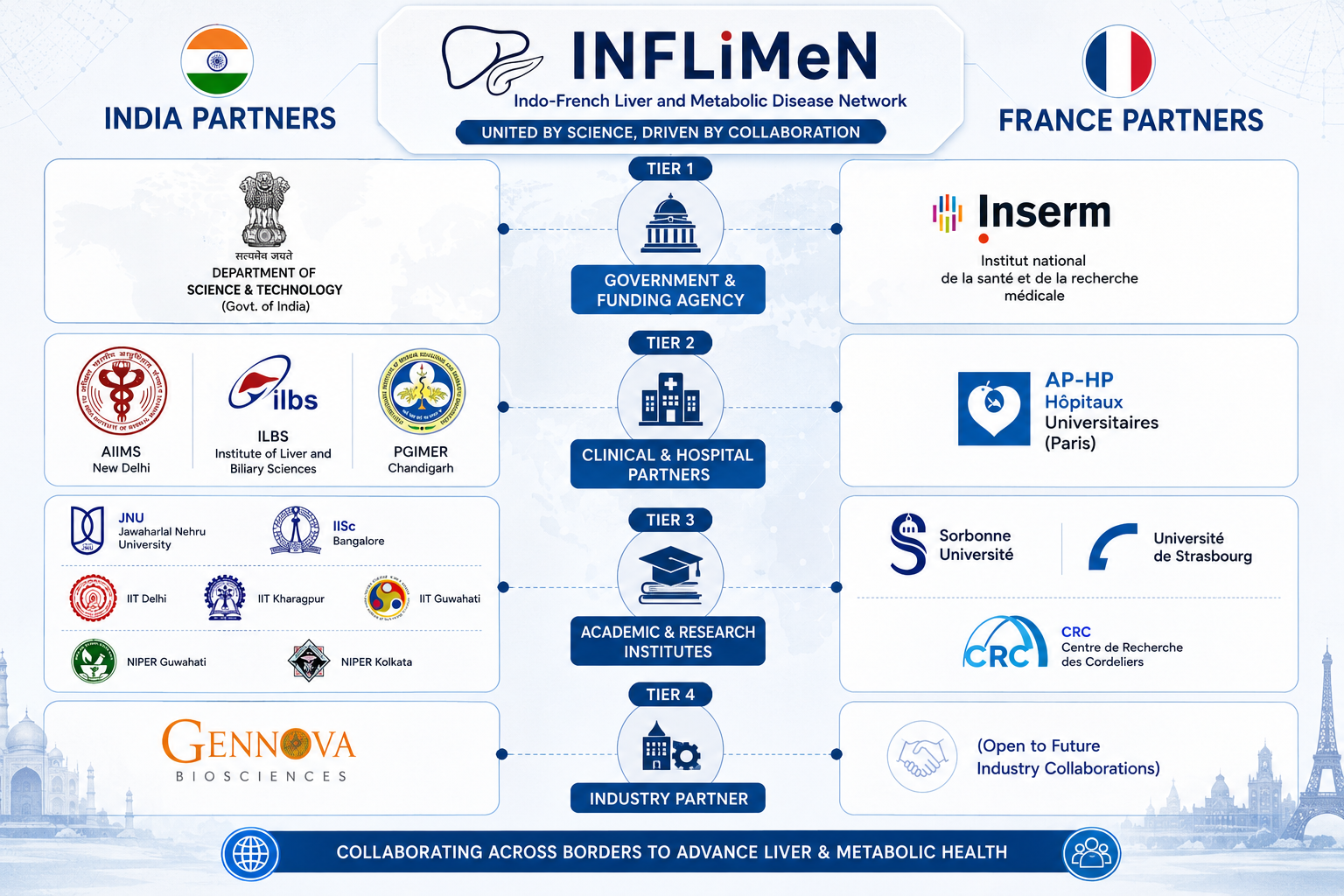
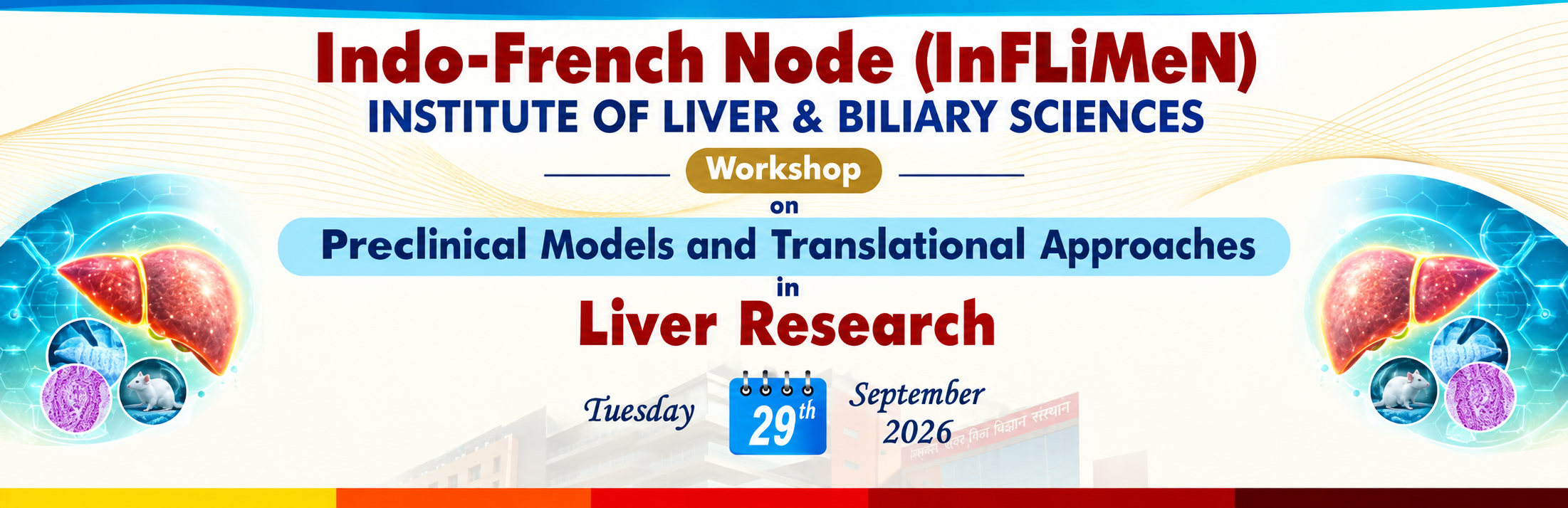
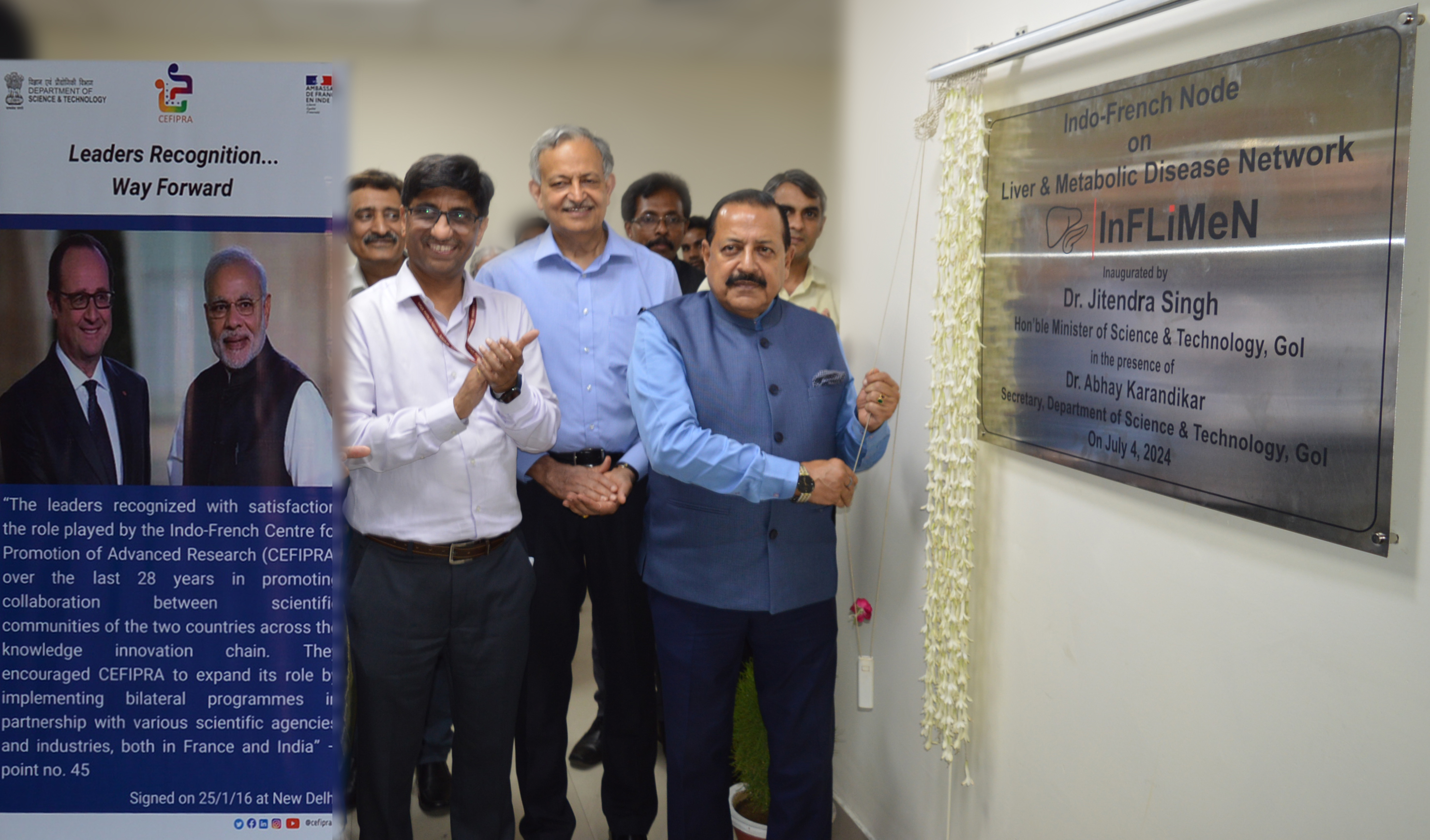
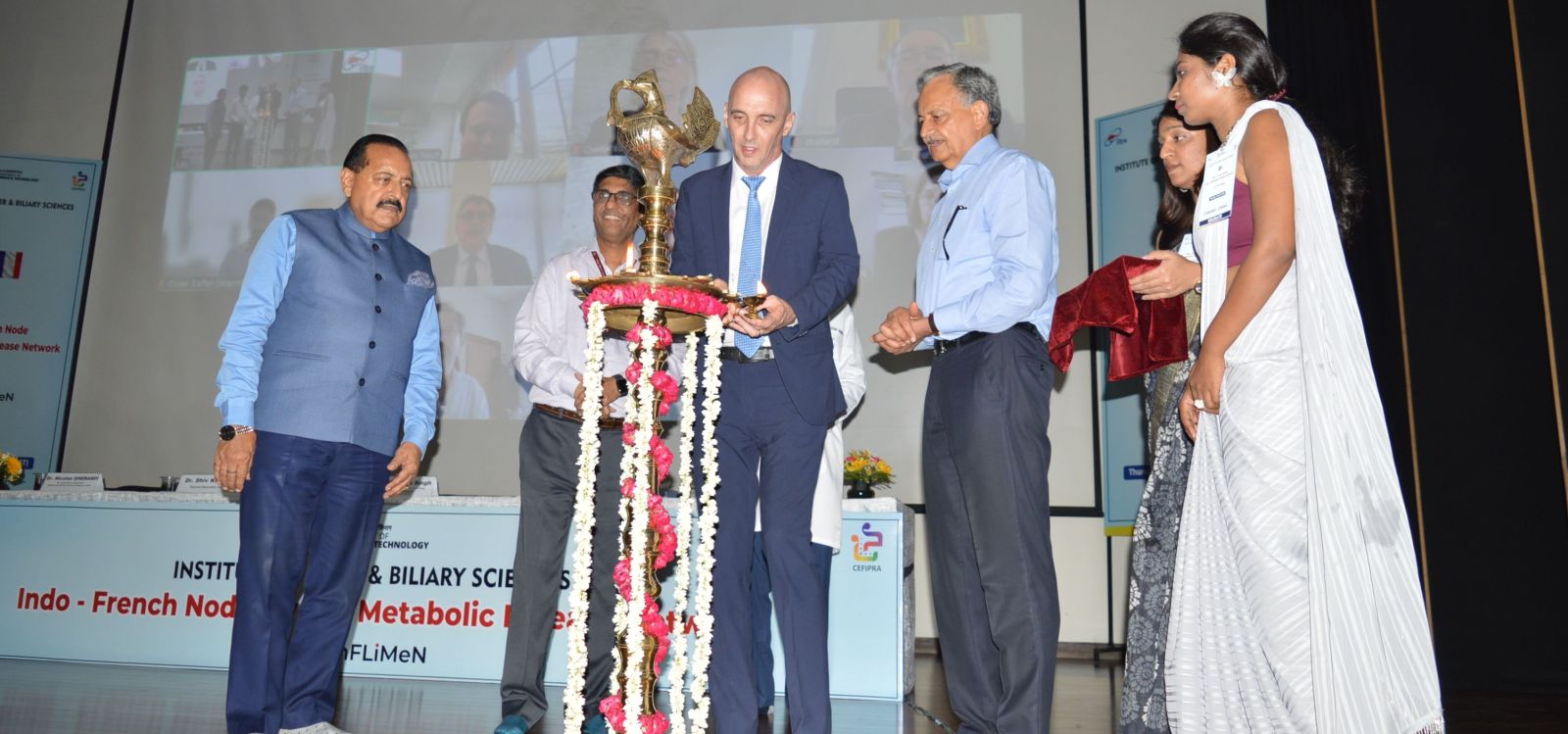
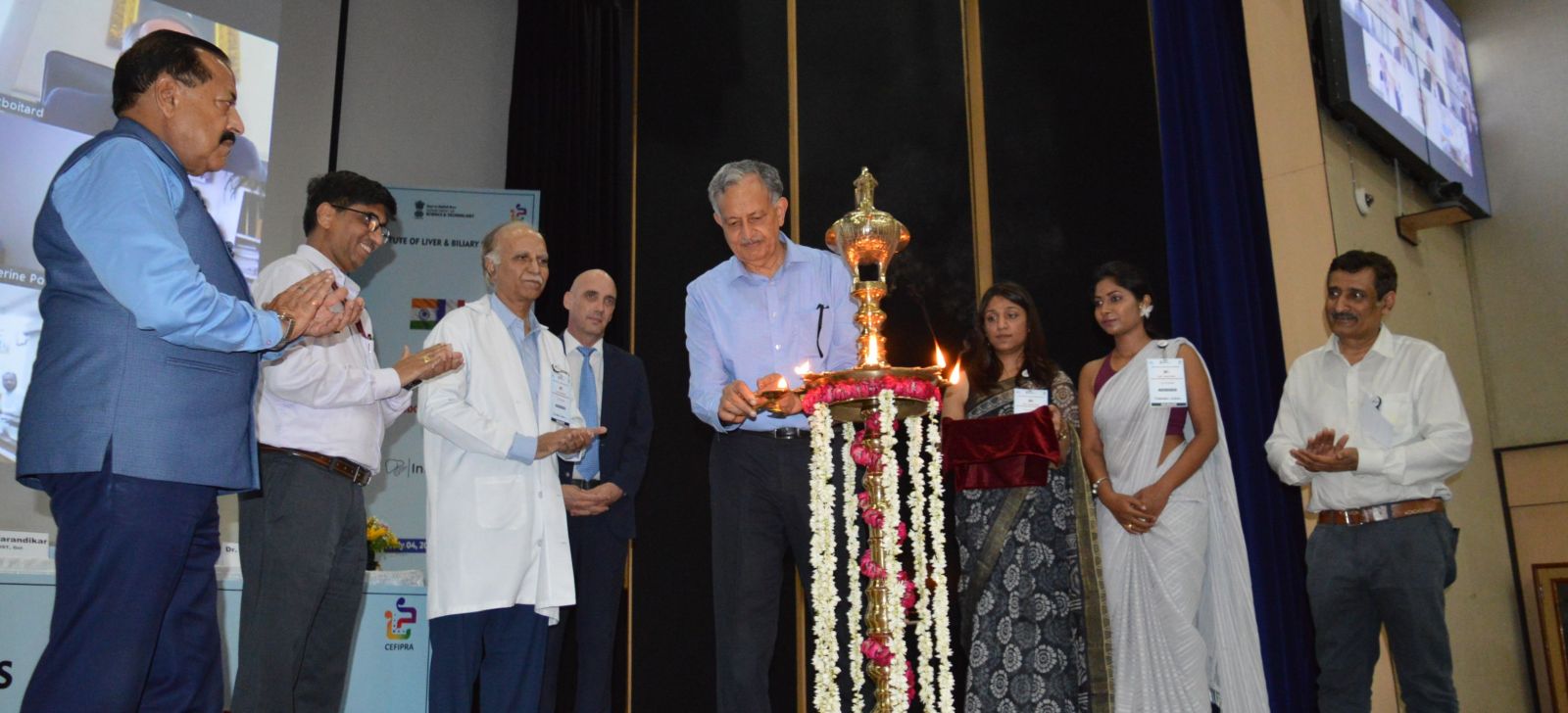
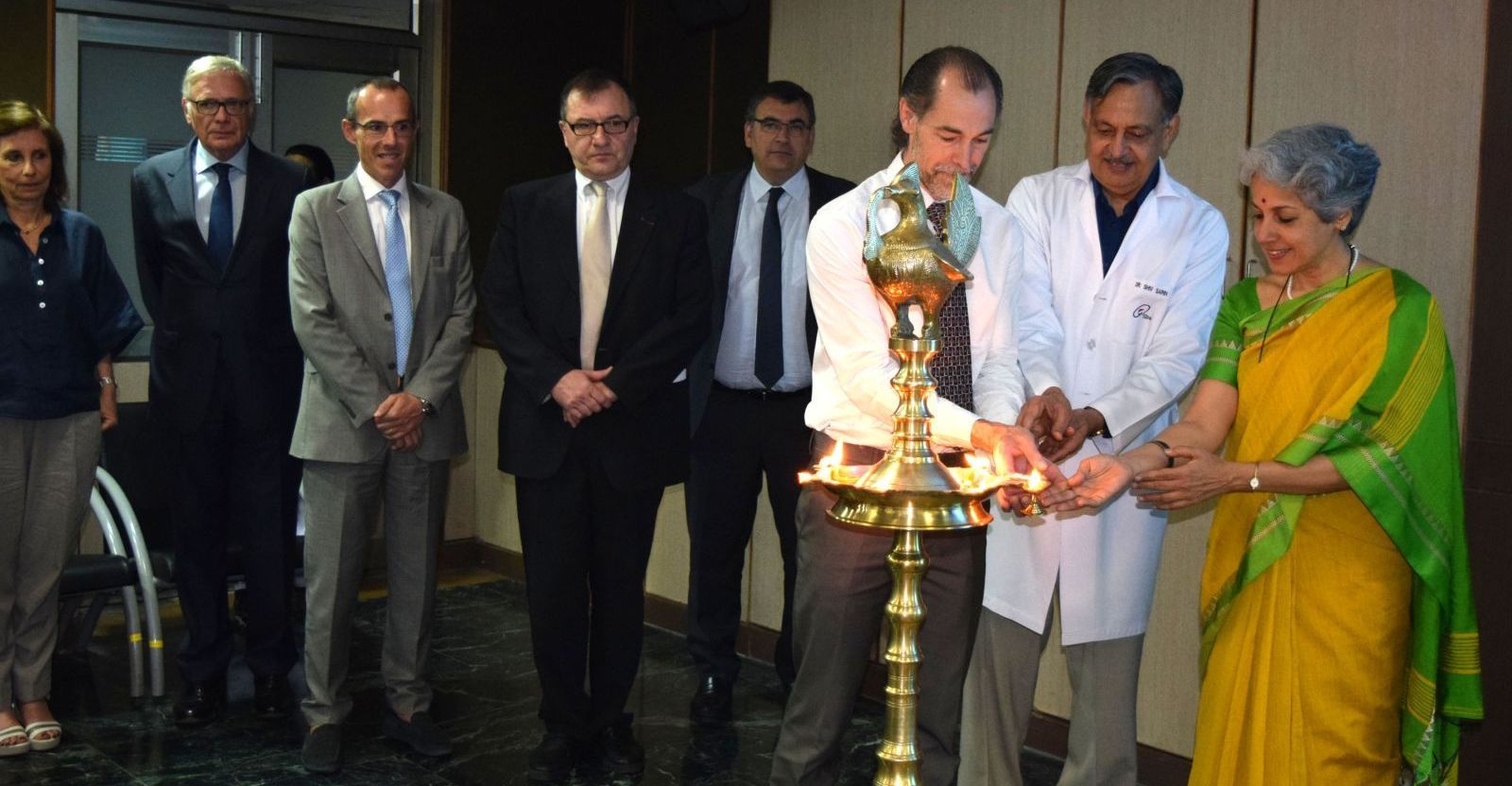
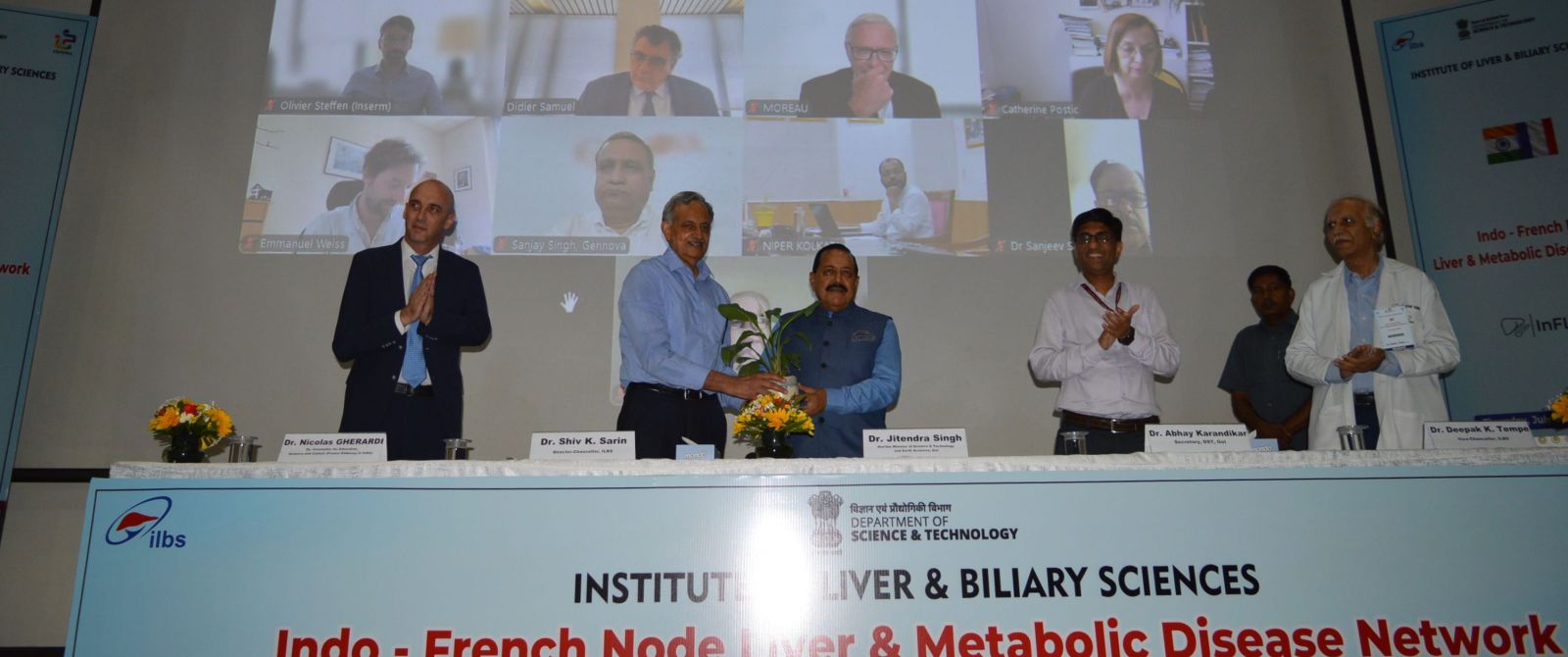
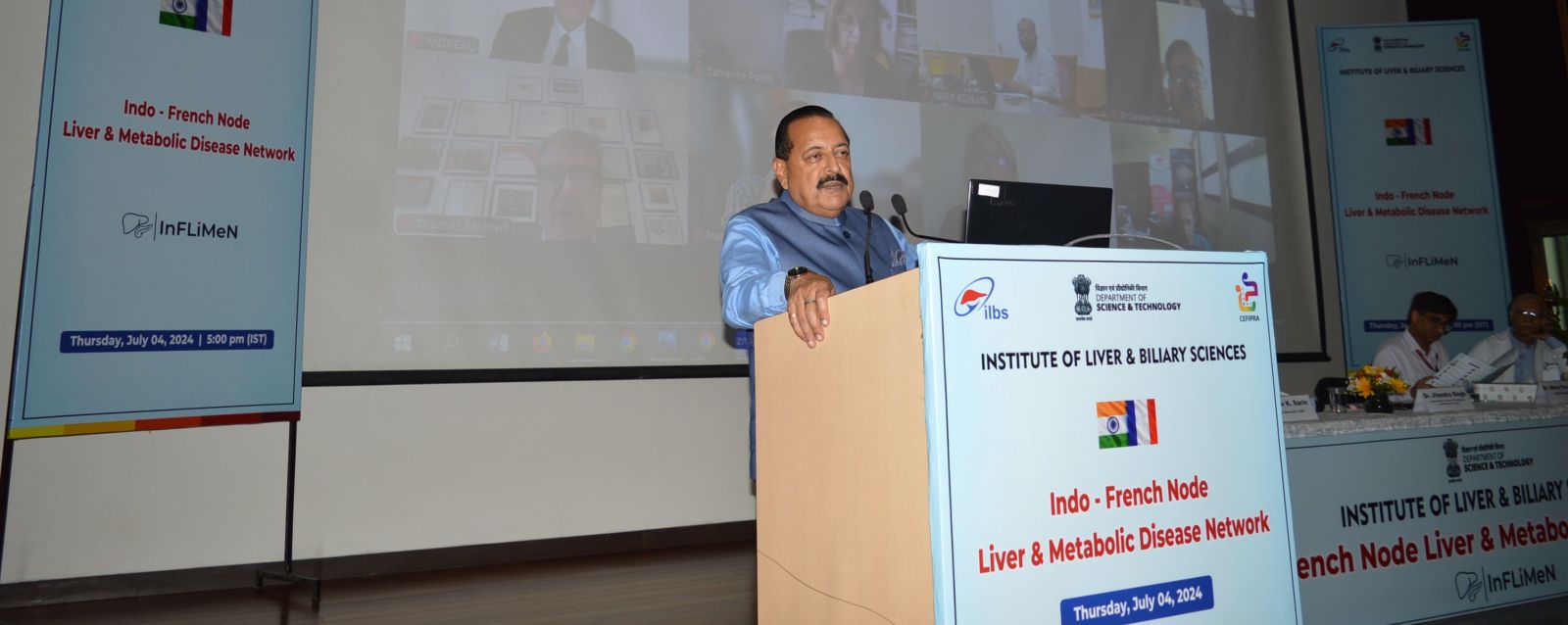
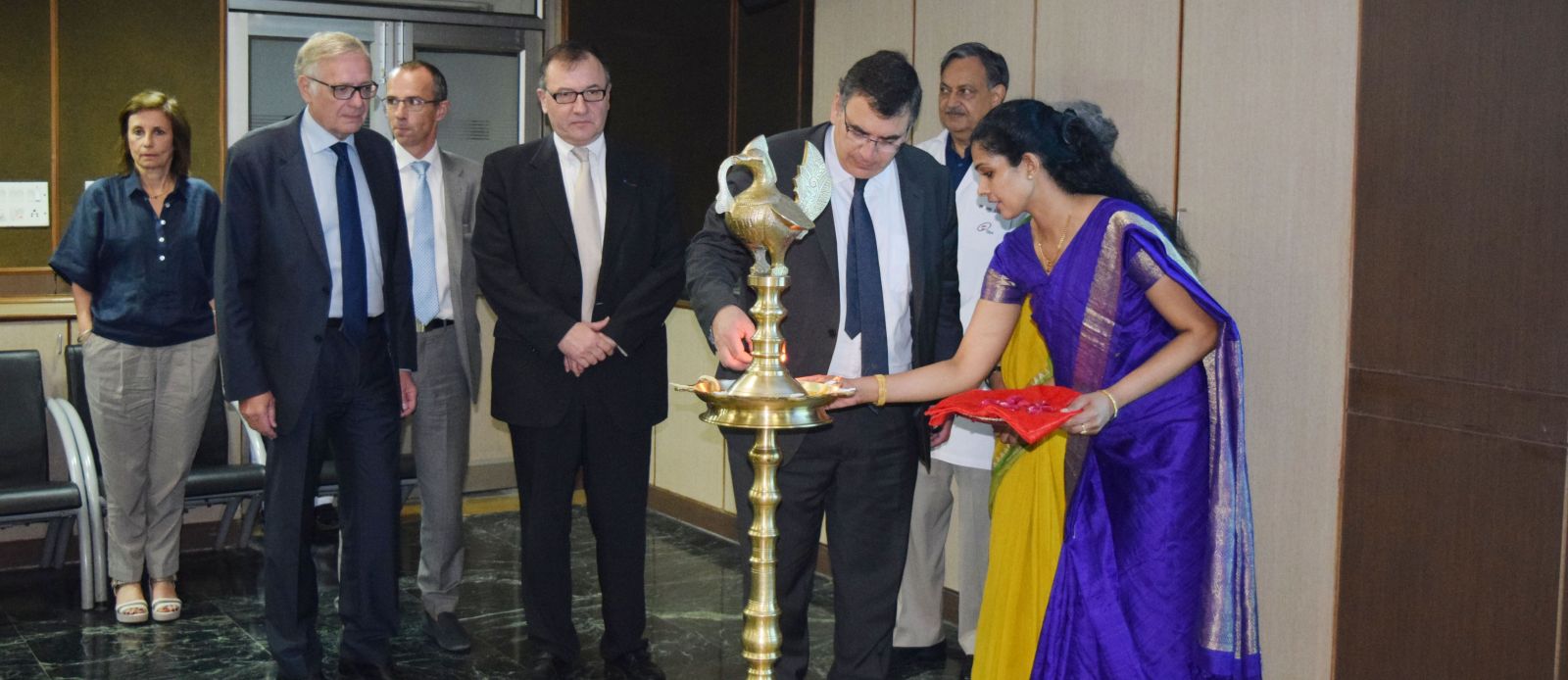
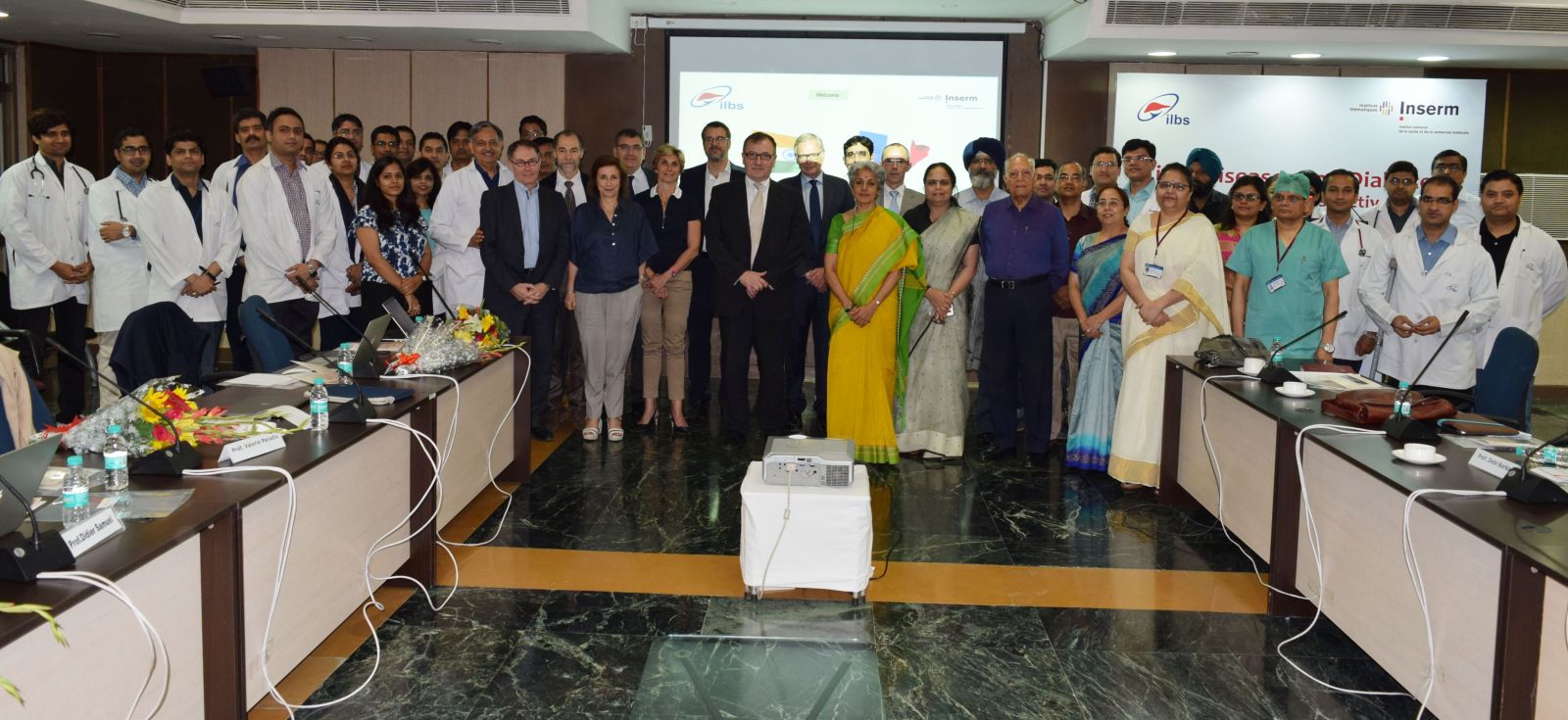
The Indo-French Node "Liver and Metabolic Disease Network" (InFLiMeN) represents a collaborative initiative between India and France, focusing on research and development in the field of liver and metabolic diseases. The joint research programme is being supported under the aegis of the Department of Science and Technology, Government of India, and the Ministry of Europe and Foreign Affairs, Government of France.
Promoting Indo-French Collaborative Research IFCPAR/CEFIPRA is a model for international collaborative research in advanced areas of science & technology. The primary objective is to enhance and strengthen bilateral scientific cooperation between India and France by providing research grants, organizing workshops, and facilitating networking opportunities for scientists from both countries.
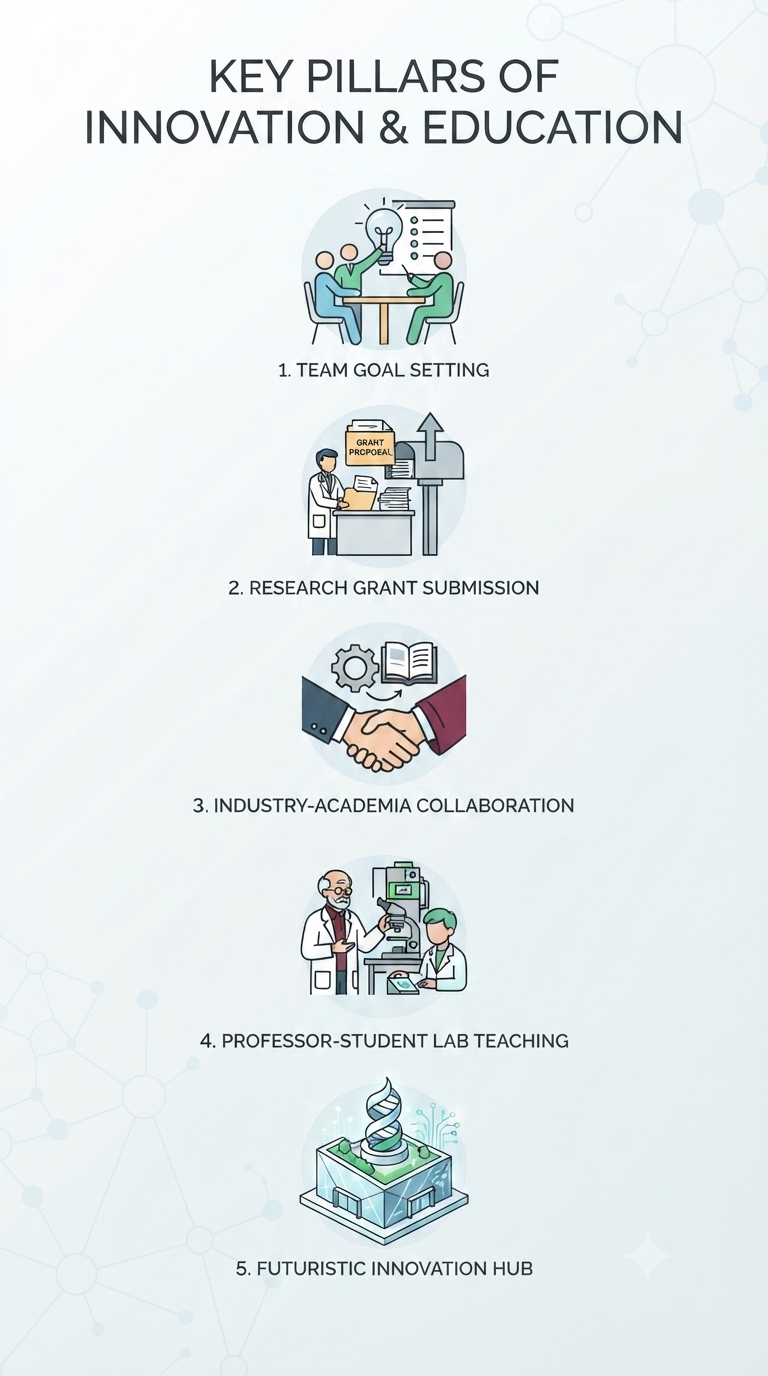
This network aims to foster scientific exchanges and enhance joint research projects, leveraging the expertise of both countries to tackle critical health challenges associated with liver and metabolic disorders. By integrating multidisciplinary approaches and cutting-edge technologies, InFLiMeN is dedicated to advancing the understanding, diagnosis, and treatment of these conditions. The ultimate goal of this joint Indo-French Node is to develop a fertile ecosystem in both nations, enabling collaborative efforts to address key issues in translational sciences. This collaborative Node aspires to serve like a virtual university & promote development of new products & technologies to benefit people suffering from liver and metabolic diseases.